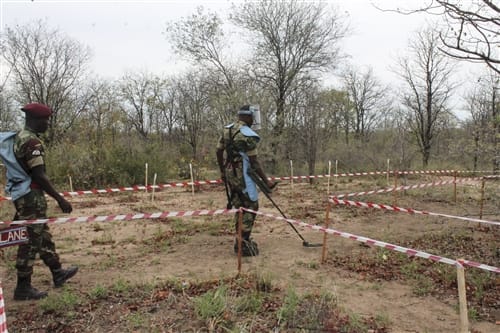
Demining. At independence in 1980, Zimbabwe inherited eight distinct minefields laid along borders with Mozambique and Zambia. The existence of mines and remnants of war along its borders posed a direct threat to human and animal life, while also denying communities access to land for agricultural and other commercial uses. Pursuant to the country’s obligation to the Anti-Personnel Mine Ban Convention (APMBC), significant strides were made towards achieving a mine-free Zimbabwe. The initial mine hazardous area was over 310,65km2. Through demining efforts by the ZNA National Mine Clearance Unit supported by 04 International NGOs namely Hazardous Area Life Support Organisation (HALO Trust), Norwegian People’s Aid (NPA), Mine Advisory Group (MAG) and Anti-Personnel Landmine Detection Product Development (APOPO), only 10.093km2 of the mined area remains to be cleared as at end of October 2025.
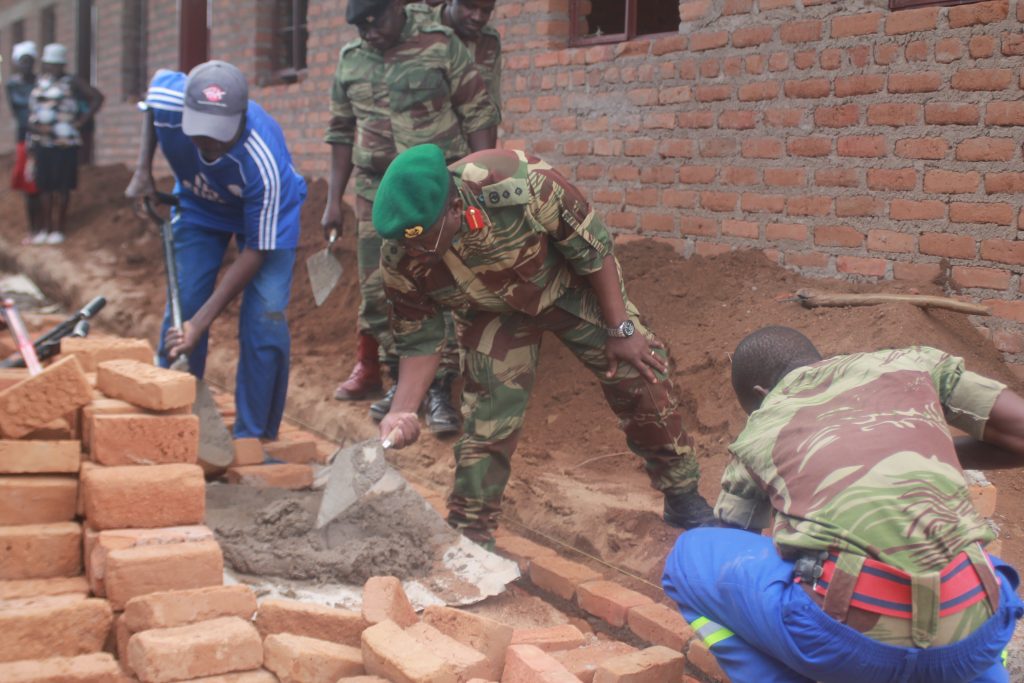
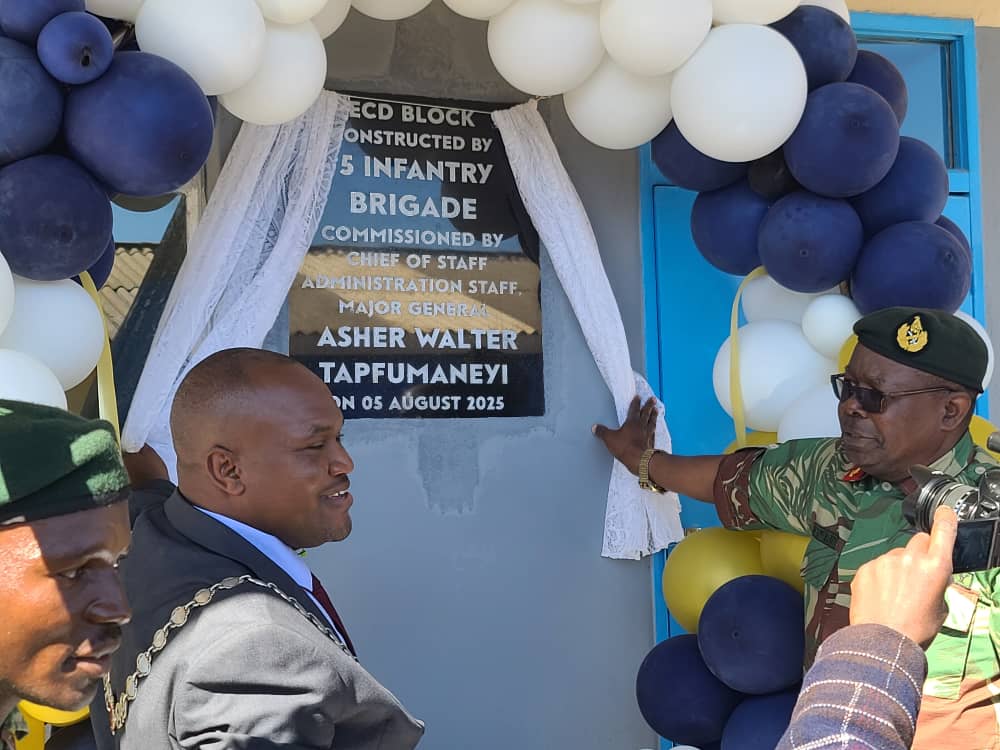
Community Assistance Projects. As part of its corporate social responsibility, the ZNA provides assistance to needy communities through the construction and rehabilitation of public or community amenities in different parts of the country focusing mainly on community development initiatives. Assistance provided by the ZNA in the construction of amenities such as schools, clinics, and roads are meant to help communities access to basic needs. The ZNA avails artisans at zero cost.
Disaster Mitigation
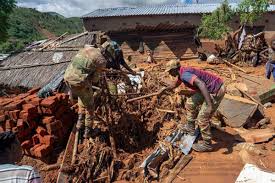
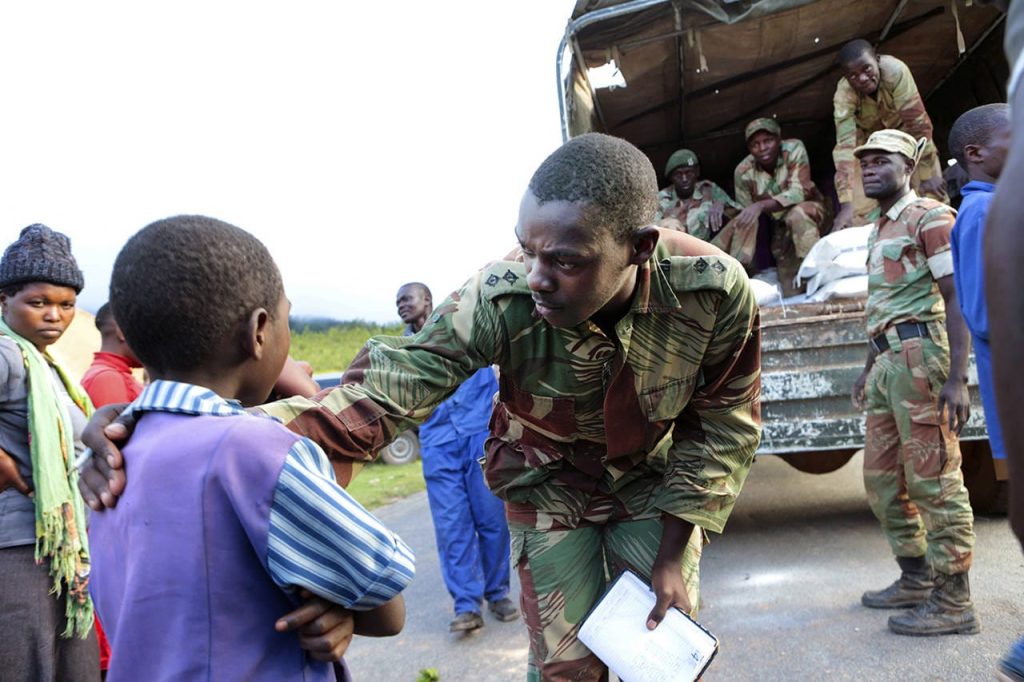
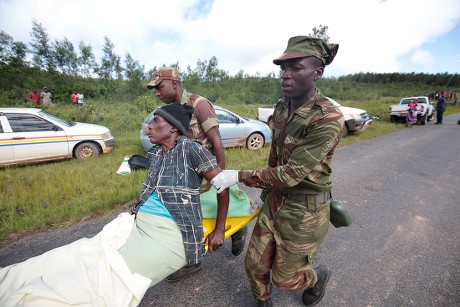
The ZNA is part of the Civil Protection organization. Within the Civil Protection organization, the ZNA’s primary responsibilities are search and rescue. Cyclone Idai which hit Zimbabwe on 15 March 2019 left a trail of destruction and caused casualties unprecedented by any standards in Zimbabwe’s modern history and did put to test ZNA’s capacity and capability to deal with natural disasters. The lessons learnt have enhanced the organization’s preparedness to deal with disasters of any magnitude in future.